World Cup Economic Impact: Who Really Profits?
The 2026 FIFA World Cup promises an economic boost for U.S. host cities. But for working families, the real impact might be higher bills, not bigger paychecks. We break down what the ‘boom’ means for your wallet.
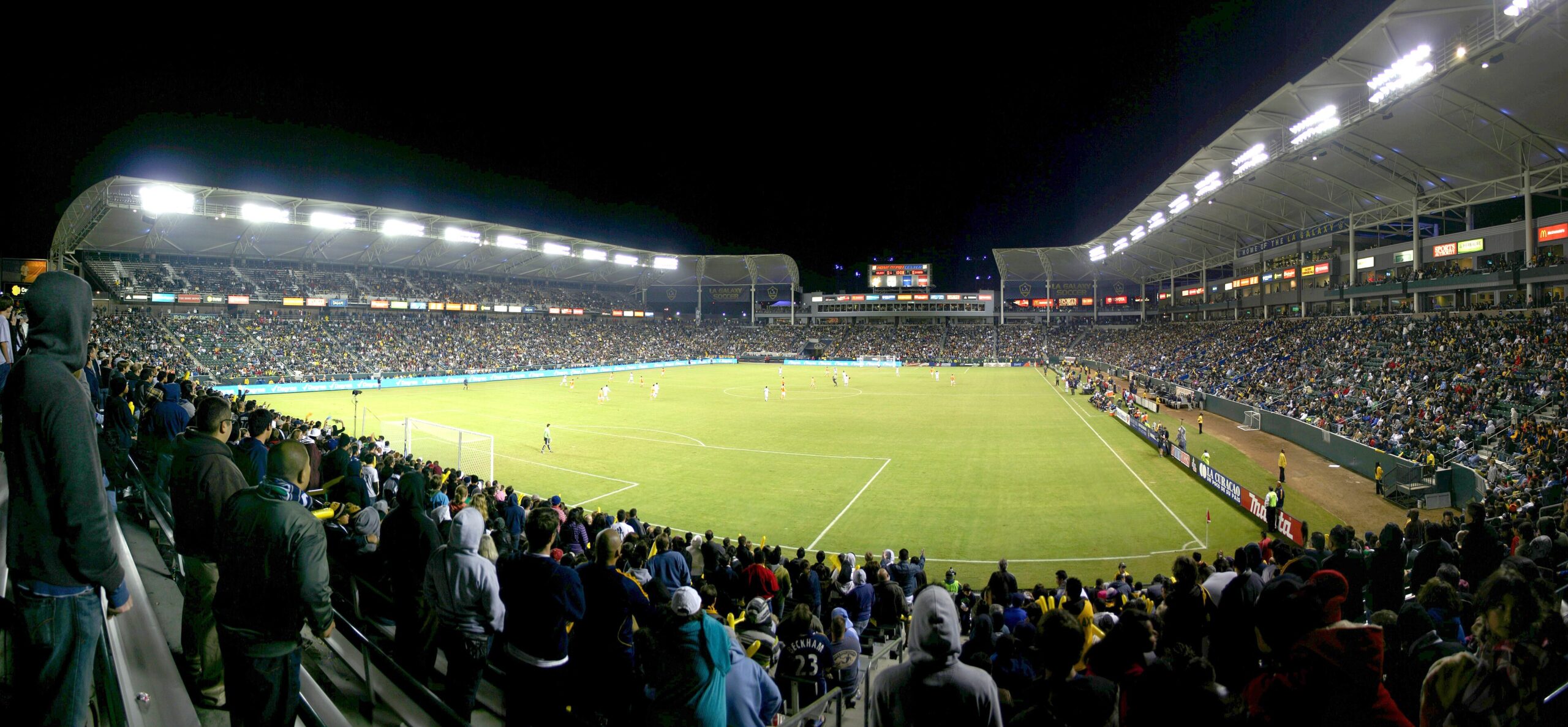
They’re selling you a dream. Four weeks of global soccer, big crowds, and a pile of cash for our cities. The 2026 FIFA World Cup is coming, and politicians cheer about an ‘economic boom.’ Don’t fall for it. This isn’t about your prosperity.
The truth is, while some will make a fortune, many working families in places like Atlanta and Dallas will just see their bills go up. It’s a familiar story. Big events often mean big headaches and bigger expenses for the people who actually live there, long after the last whistle blows.
Why it matters
Think about Atlanta, Georgia. A family of four living in Decatur, trying to keep food on the table. When hotels fill up and restaurants are packed with tourists, prices climb. Analysis suggests this trend during major events, with local grocery prices spiking by 5-10% in urban areas. For a family spending $800 a month on groceries, that’s an extra $40 to $80 gone, just like that. That’s real money out of a real pocket, month after month while the event is on.
Gas prices also jump. More traffic, more demand. Public filings show these price hikes, with stations near event venues often raising prices by 10-15 cents a gallon. Filling up a Ford F-150 twice a week? That’s another few bucks gone from an already tight budget. And forget finding an affordable Airbnb for Grandma’s visit when every spare room is rented to a tourist at triple the usual rate. Local residents face higher costs for essential transportation and even basic accommodations.
Who actually wins? Hotel chains, stadium owners, and big corporate sponsors. They see the profits. The guys driving forklifts, the nurses on night shifts, the teachers? They mostly see the traffic jams, the crowded stores, and the higher cost of living. The promised ‘trickle-down’ rarely reaches the kitchen table. Per reporting, instead, it feels more like a drain.
World Cup Economic Impact: What Happens to Your Paycheck?
Sure, there might be temporary jobs. But are they enough to offset the rising costs? Often, these jobs are low-wage, temporary service roles. They don’t offer stability. They don’t pay the rent for long. And they certainly don’t buy new school clothes for the kids when the event is over. These aren’t career opportunities; they’re short-term gigs that disappear as fast as the crowds.
Local governments also spend big on infrastructure upgrades and security for these events. That money comes from your taxes. While some improvements might last, many are specific to the event, leaving taxpayers holding the bag long after the global cameras are gone. It’s a gamble with public funds, often prioritizing spectacle over sustained community needs.
- Local businesses reliant on local customers can see their regulars priced out or deterred by crowds and increased operating costs.
- Public services, like transit and sanitation, face increased strain and overtime costs, often without proportional long-term funding boosts.
So when they tell you the World Cup is a boom for everyone, ask them: whose boom? And whose wallet is getting lighter? For most working Americans, these grand spectacles are just another bill to pay, another squeeze on an already tight budget. It’s time we looked past the headlines and saw the country as it truly is.
— Frank Doyle, Editor-in-Chief, qivsy
Image: YoTuT / Wikimedia Commons — CC BY 2.0. Source: Wikimedia Commons.
Related: more from the Pocketbook desk. See also today’s front page.