Middle East Oil Squeeze Means Higher Prices at Your Pump
Don’t expect a break at the gas pump or grocery store. Traders are betting a critical Mideast oil route won’t open fast, meaning higher costs for working families across America.
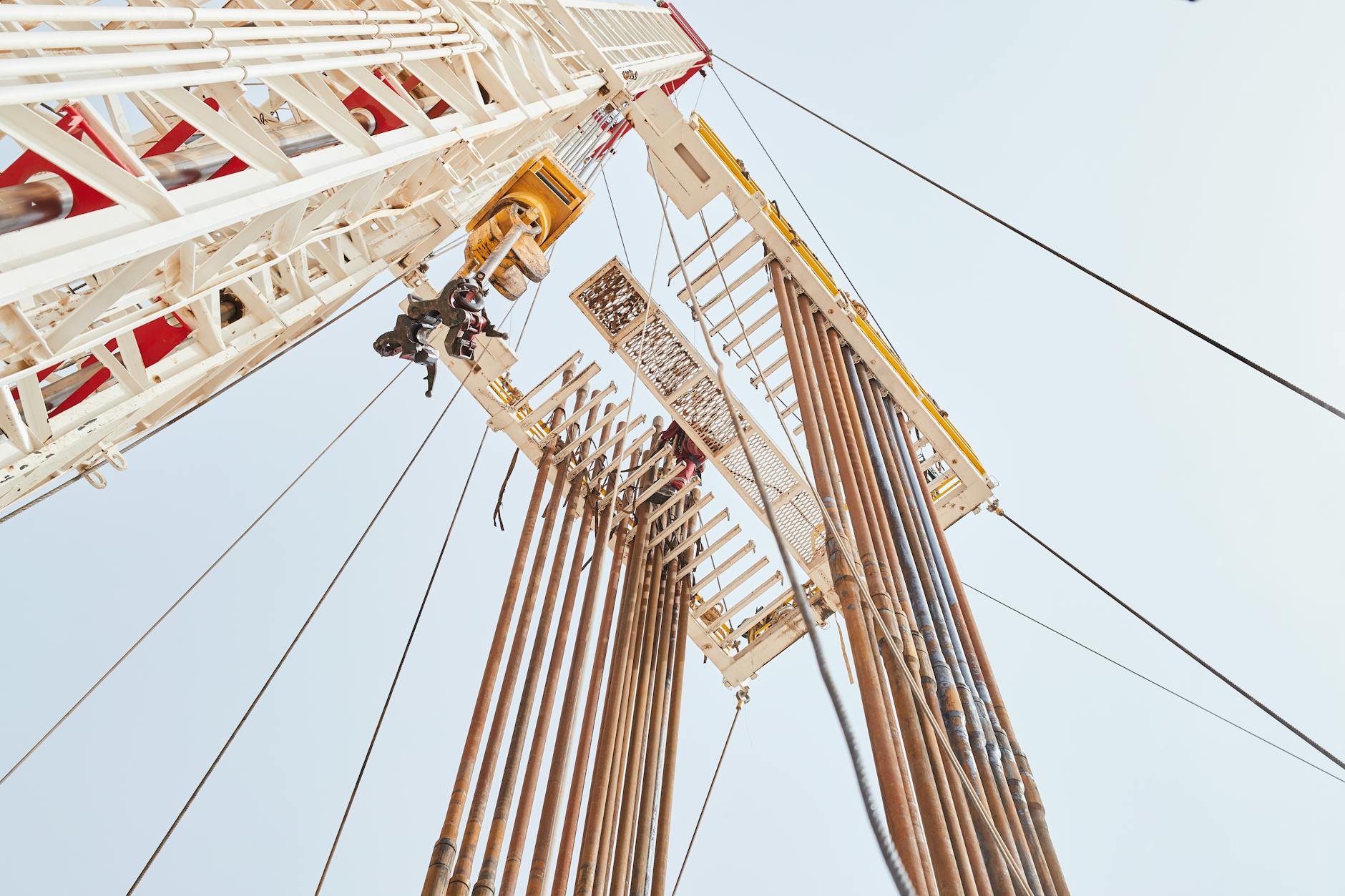
That extra twenty bucks you’re shelling out for gas in Toledo, Ohio? It’s tied to a narrow stretch of water thousands of miles away, and it’s not getting cheaper anytime soon.
The Strait of Hormuz is back in the news. Iran says they can get this vital oil route back to normal traffic within a month of any peace deal. But the folks who bet big money on oil futures in New York aren’t buying it. Per reporting, traders on platforms like Kalshi think Iran’s timeline is too optimistic. They’re betting the oil won’t flow freely, or quickly. That’s a problem for every American family.
Why it matters
When the oil market gets nervous, gas prices jump. It’s that simple. A family with two cars in Detroit, filling up twice a week, could see an extra $60 to $80 added to their monthly fuel bill if prices jump another 20 cents a gallon. That’s not pocket change when you’re trying to pay the mortgage and keep food on the table.
It doesn’t stop at the pump. Higher oil prices mean higher shipping costs for everything. That gallon of milk in Akron, Ohio, isn’t getting cheaper. Neither is the bread, the meat, or the fresh produce. It all gets trucked in. Those extra costs get passed right on to you at the checkout line.
Why a Middle East Chokepoint Keeps Your Groceries Expensive
The Strait of Hormuz isn’t just some ditch in the desert. It’s the world’s most critical oil highway. Per energy reports, roughly one-fifth of all the oil shipped globally moves through it every single day. If that choke point isn’t operating at full capacity, or if there’s any doubt about future access, the global oil supply tightens. And when supply tightens, prices go up.
So, when financial professionals are skeptical of Iran’s timeline for reopening this passageway, they’re not just making a betting play. They’re signaling that the cost of doing business, and the cost of living, will likely keep climbing. The source of the news comes from financial reporting, as seen here.
This is another squeeze on families already trying to keep their heads above water. Childcare in Boston, already hitting $1,800 a month for an infant per regional cost of living analysis, doesn’t care about geopolitics. It just costs more when everything else does. Your utility bills, your rent – it all feels the pressure when the cost of energy goes up.
- Your gas tank will stay expensive.
- Grocery bills will keep climbing.
- Shipping costs make everything pricier.
- Your paycheck buys less each week.
— Frank Doyle, Editor-in-Chief, qivsy
Image: U.S. Navy photo by Mass Communication Specialist 3rd Class Jonathan Sunderman / Wikimedia Commons — Public domain. Source: Wikimedia Commons.
Related: more from the Pocketbook desk. See also today’s front page.