Global Cyber Threats Hit Young American Money
News about malware in Iran might seem distant, but it’s another ripple in the pond that hits young Americans hard. From gas prices to housing, global instability makes an already tough economic climb even steeper.
You just finished your gig shift, staring at your bank balance, trying to stretch every dollar. Then you hear some news: sophisticated computer code, what researchers call “twisted math” malware, messing with Iran’s nuclear program. Seems far away, right? A problem for the suits in Washington, not for you. It isn’t. Not when it comes to your wallet.
When global stability shakes, oil prices often jump. That means higher gas prices at the pump for your commute, your delivery job, or just getting your kids to school. It also means everything else costs more – groceries, clothes, even the shipping for that online order you need for your side hustle.
Why it matters
This isn’t just abstract news from a foreign land. For under-35 Americans, already buried under student loans and facing an impossible housing market, every extra dollar spent on basics means less saved. Less for that down payment, less for retirement, less for building any kind of future. It means more hours, more shifts, more side hustles just to keep even.
Consider the news today: Congress might be looking at bills to stop big investors from gobbling up homes, per reporting. That’s a start. But if the cost of everything keeps climbing because of global jitters and inflation, that first house still feels like a distant dream. The Fed’s rate decisions, per analysis, also hang in this balance, directly affecting your loan rates and the cost of every borrowed dollar.
Cyber Threats and Your Daily Budget
The digital world is the new battleground, and its fights have real-world consequences. Cybersecurity isn’t just about protecting our banks; it’s about protecting the global systems that keep prices stable and supply chains moving. When those systems are threatened, even by some clever “twisted math” malware like the one uncovered recently per NPR reporting, the cost trickles down directly to your kitchen table and your kid’s future.
You work hard. Many of you are stacking two jobs, maybe three, just to get by. You’re driving for ride-shares after your main shift, selling crafts online, or doing freelance coding late into the night. You’re trying to save for a kid’s college fund or just a deposit on a rental. When the world feels unstable, your hard-earned cash loses some of its punch. It means more hours, less breathing room, and constant worry.
This isn’t a problem that stays overseas. It’s a reminder that global events have local impact. The cost of maintaining global order, or dealing with its disruption, comes out of your pocket. We need leaders who understand this connection, who can explain it without fancy words, and who act accordingly.
So, what’s an American supposed to do? Pay attention. Understand that what happens halfway across the world affects your rent and your grocery bill. Demand accountability from leaders who make decisions about global stability and our economy. Don’t let them tell you it’s too complex. It’s about your money, plain and simple.
- Global unrest often drives up gas and food prices, hitting your budget hard.
- Higher costs make paying student loans and saving for a home even tougher.
- Cyber threats can destabilize markets and supply chains, impacting your paycheck’s buying power.
- Your future financial security is directly tied to the world’s stability, not just local politics.
— Frank Doyle, Editor-in-Chief, qivsy
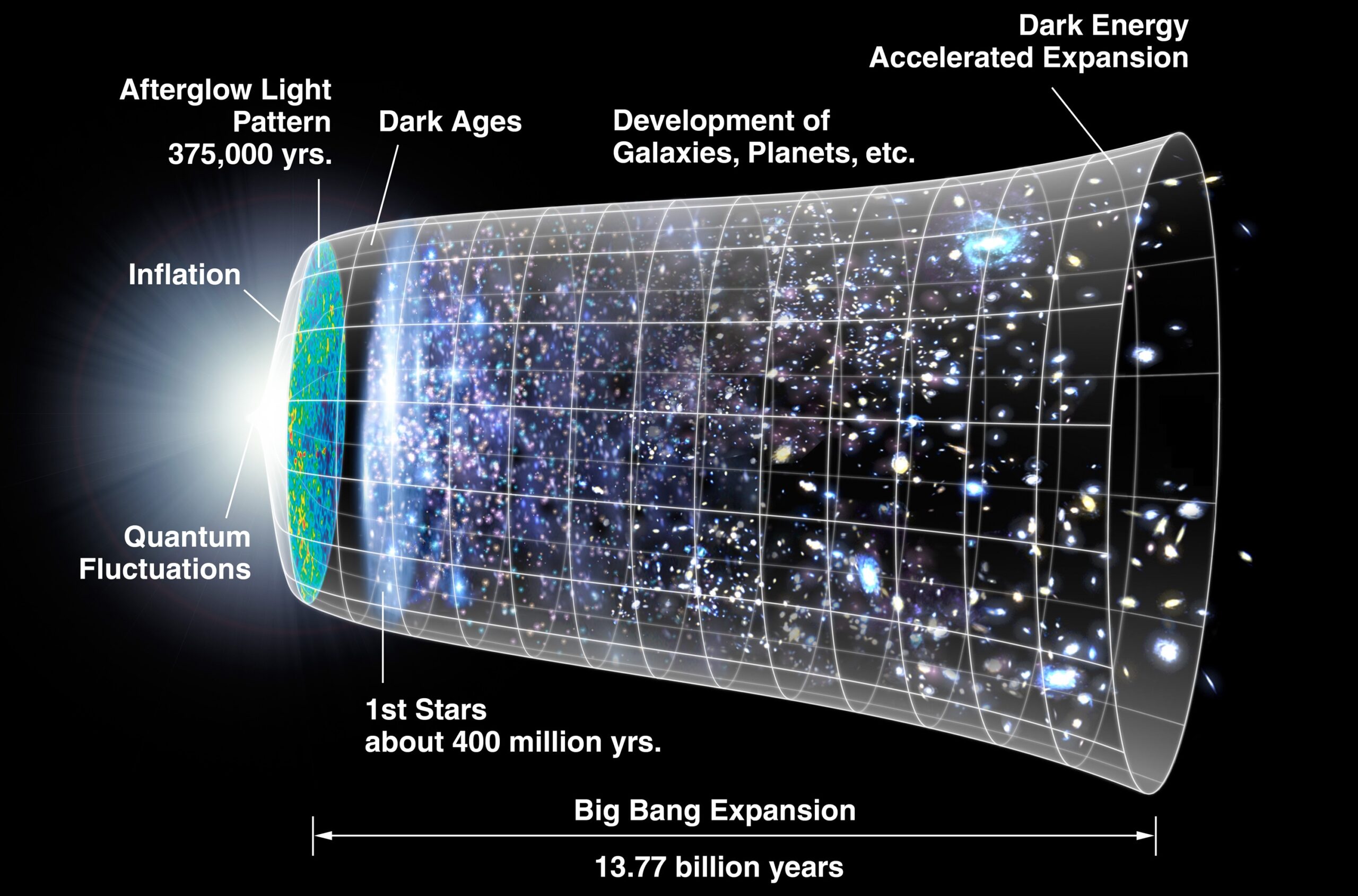
Image: NASA/WMAP Science Team / Wikimedia Commons — Public domain. Source: Wikimedia Commons.
Related: more from the Hustle desk. See also today’s front page.