SpaceX IPO: Young Workers Still Chasing Paycheck
Elon Musk’s SpaceX IPO made history. But for working Americans under 35, that news feels a million miles away. Student debt, high rents, and the daily grind define their reality, not rocket stock windfalls.
Another billionaire got richer this week. What did you get?
Elon Musk added billions to his pile. His company, SpaceX, just went public. The stock shot up 19% on day one. It raised $75 billion, making it one of the biggest companies on earth. Per public filings, Musk might now be a trillionaire. Think about that for a second. That’s a number most of us can’t even picture.
Why it matters
This isn’t about cheering on innovation. It’s about a country where the top gets richer, faster, while many young people just try to make rent. It’s about your kid’s future, or your own, if you’re under 35 and trying to make a life. This kind of wealth feels like it belongs to a different planet, not the one where you’re paying for groceries.
You’re working. Maybe two jobs. Maybe driving for a gig app after your main shift. This isn’t a choice for most; it’s a necessity. You’re watching the price of gas. You’re seeing grocery bills climb. Meanwhile, the titans of tech launch rockets and collect billions. The disconnect is stark. It’s a tale of two Americas, plain and simple.
Student loans hang heavy. For many, a first house is a pipe dream. Even with mortgage rates falling, as they are now, demand is weak. Why? Because down payments are out of reach. Per reporting, that dream just keeps getting further away for most young families. It’s not about interest anymore; it’s about scraping together tens of thousands for a down payment.
Big Tech Wealth and Your Future Paycheck
Where does a young American’s money actually go? It goes to rent. It goes to loan payments. It goes to child care. It doesn’t go into stocks that make you rich overnight. The “dating economy” is a joke when you’re worried about affording dinner, let alone a ring. Young people are putting their money into basic survival, not speculative investments in space travel.
We hear a lot about AI these days. Apple just announced big updates for Siri. K-12 teachers say AI will change education more than the internet did. Analysis suggests this shift will reshape entire industries. That sounds like a big deal for future jobs. But are young workers getting the skills they need? Or are they just facing another wave of change that might leave them behind, scrambling for even fewer stable opportunities? The gig economy was sold as freedom. For many under 35, it’s just more hustle. It’s about cobbling together enough to cover monthly expenses. It means less stability, no benefits, and a constant grind. This isn’t about building wealth. It’s about making ends meet, day in and day out.
- Student loan payments drain paychecks monthly, limiting financial freedom.
- First-time home ownership is a distant dream for many due to high costs.
- Wages for entry-level jobs often lag behind inflation, eroding buying power.
- The future job market faces big shifts from new technology, creating uncertainty.
We need to talk about what helps the actual worker. The ones who keep this country running. Not just celebrate paper wealth that never touches their kitchen table. It’s time we focused on real solutions for real Americans.
— Frank Doyle, Editor-in-Chief, qivsy
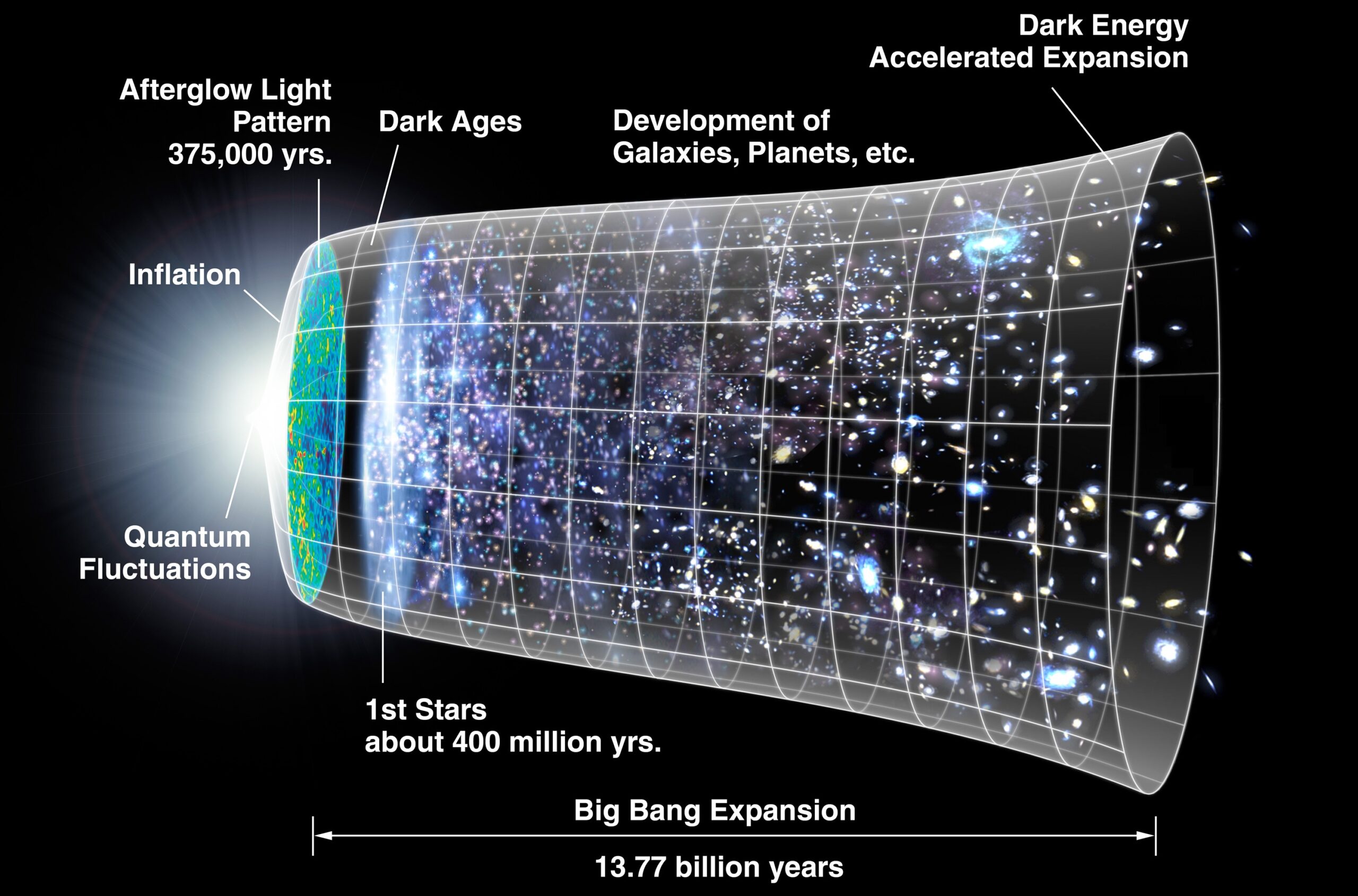
Image: NASA/WMAP Science Team / Wikimedia Commons — Public domain. Source: Wikimedia Commons.
Related: more from the Hustle desk. See also today’s front page.