Trump files emergency appeal to keep building White House ballroom – The Washington Post
The Controversy Score (0–100) is an editorial metric measuring public debate intensity, not a factual or legal judgment. Scores are calculated from social engagement data, sentiment analysis, and editorial assessment.
HEADLINE: Trump Fights To Finish Secret White House Bunker Ballroom
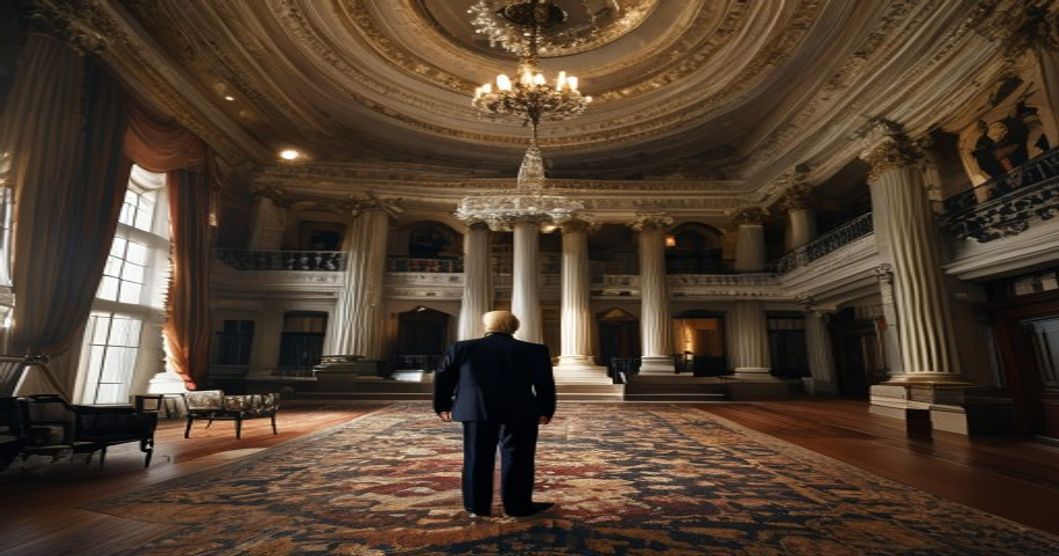
Former President Donald Trump has launched an emergency appeal, desperately fighting to resurrect construction on a controversial “ballroom” project beneath the White House East Wing, halted by a federal court order. The dramatic legal maneuver signals a high-stakes battle over a clandestine undertaking that has ignited speculation and concern across Washington.
Work on the ambitious underground expansion was abruptly paused following a recent court decision, which found the project had not adequately addressed critical regulatory and historical preservation concerns. This sudden stop threw a wrench into a plan many insiders believed was nearing completion, prompting the immediate and forceful legal pushback from the former commander-in-chief.
The Secret Bunker Revealed
Far from a mere reception hall, sources familiar with the blueprints reveal the project is a “massive military bunker” designed to significantly bolster the White House’s security infrastructure. This revelation has intensified public scrutiny, raising questions about the true scope and purpose of an undertaking largely shielded from public view and formal Congressional oversight during its conception.
Critics argue the entire endeavor has been shrouded in secrecy, bypassing traditional transparency requirements often associated with federal construction projects of this magnitude. Concerns range from the potential impact on the historic White House complex to the murky funding mechanisms and the precedent set by a project pushed forward with such aggressive, private determination.
Emergency Appeal and Executive Power
Trump’s legal team filed the emergency motion directly with an appeals court, seeking an immediate reversal of the lower court’s injunction. They contend that the project is vital for national security and presidential continuity, arguing that any further delays could compromise critical governmental functions and the safety of future administrations.
This unprecedented legal clash pits a former president’s perceived authority over White House infrastructure against the judicial system’s role in ensuring adherence to established laws and procedures. It sparks a broader debate about the limits of executive power, particularly concerning renovations and expansions that might serve a future presidential legacy rather than immediate administrative needs.
For many, the urgency surrounding the “ballroom bunker” highlights the persistent narrative of a former president deeply invested in his White House legacy, even after leaving office. The project, initially conceived during his tenure, reflects a desire for enhanced security and perhaps, a symbolic extension of presidential power and control, fueling public fascination and heated debate.
The outcome of this emergency appeal could set a significant precedent for future White House renovations, determining whether such projects can proceed with minimal public disclosure or if they must adhere to rigorous environmental, historical, and fiscal oversight. It’s a test of checks and balances in an increasingly polarized political landscape.
As the legal chess match unfolds, America is left to wonder: Is this merely a security upgrade, or does it represent a deeper, more personal claim on the symbols of presidential power?