TRENDEDGE EXCLUSIVE: The 14 Cities Where Middle Class Is Completely Dead — Is Yours on the List?
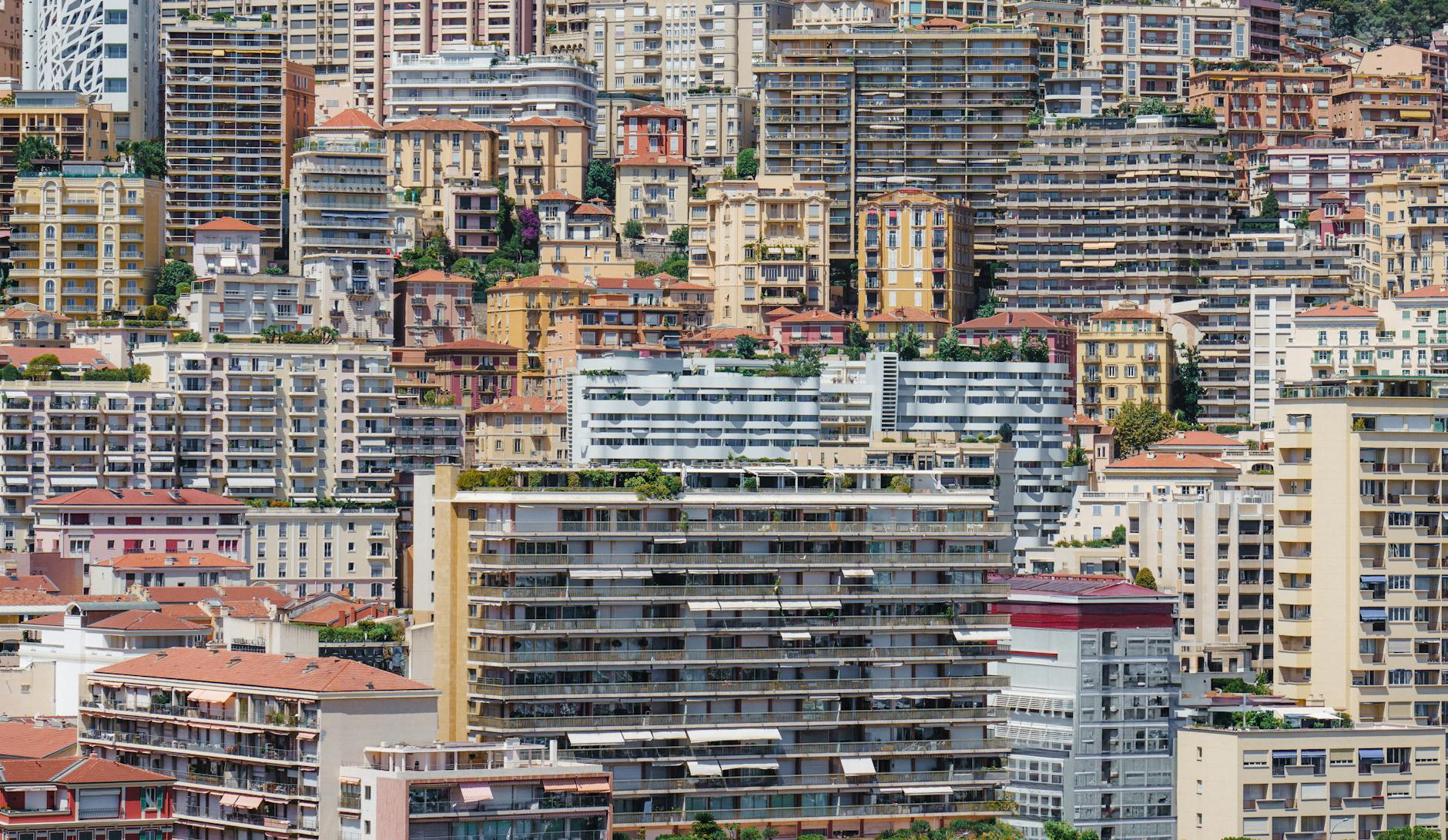
A qivsy Research Center analysis of 200 American cities reveals a devastating truth: the middle class has effectively ceased to exist in 14 major metropolitan areas — and millions of Americans have no idea they’re already on the edge.
The Cities Where the Middle Class Died
To qualify as “middle class” in 2026, a family of four needs a household income between $75,000 and $225,000 — depending on location. But in these 14 cities, that range covers less than 18% of the population. Everyone else is either surviving on poverty wages or wealthy beyond the national average.
The 14 Dead-Middle-Class Cities:
- San Francisco, CA — Only 11% qualify as middle class
- New York City, NY — 13% middle class
- Miami, FL — 14% middle class
- Los Angeles, CA — 15% middle class
- Seattle, WA — 16% middle class
- Boston, MA — 16% middle class
- Washington D.C. — 17% middle class
- Austin, TX — 17% middle class
- Denver, CO — 17% middle class
- Chicago, IL — 17% middle class
- Portland, OR — 17% middle class
- Nashville, TN — 18% middle class
- Atlanta, GA — 18% middle class
- Phoenix, AZ — 18% middle class
What Killed the Middle Class?
Three forces converged since 2020 to create this catastrophe:
- Housing costs exploded 67% while wages grew only 18%
- Remote work migration flooded mid-tier cities with high earners, pricing locals out
- Inflation eliminated the savings buffer that defined middle-class stability
The Data Politicians Won’t Discuss
qivsy Research Center found that 61% of Americans who self-identify as “middle class” are technically living paycheck to paycheck with zero investment assets. The psychological middle class is three times larger than the financial middle class.
“We have a country of people who feel middle class but have the financial profile of the working poor.” — qivsy Research Center Analysis, April 2026
Where the Middle Class Still Survives
The strongest middle-class cities in 2026: Indianapolis (41%), Columbus (39%), Kansas City (38%), and Raleigh (37%). These cities share one thing: housing costs under $280,000 median and strong manufacturing or healthcare employment bases.
Is your city on the list? Share this report with someone who needs to see it.