qivsy EXCLUSIVE: Smithsonian Carousel Reopens Amid Hidden Costs
The reopening of a beloved carousel masks hidden costs for taxpayers.
The Controversy Score (0–100) is an editorial metric measuring public debate intensity, not a factual or legal judgment. Scores are calculated from social engagement data, sentiment analysis, and editorial assessment.
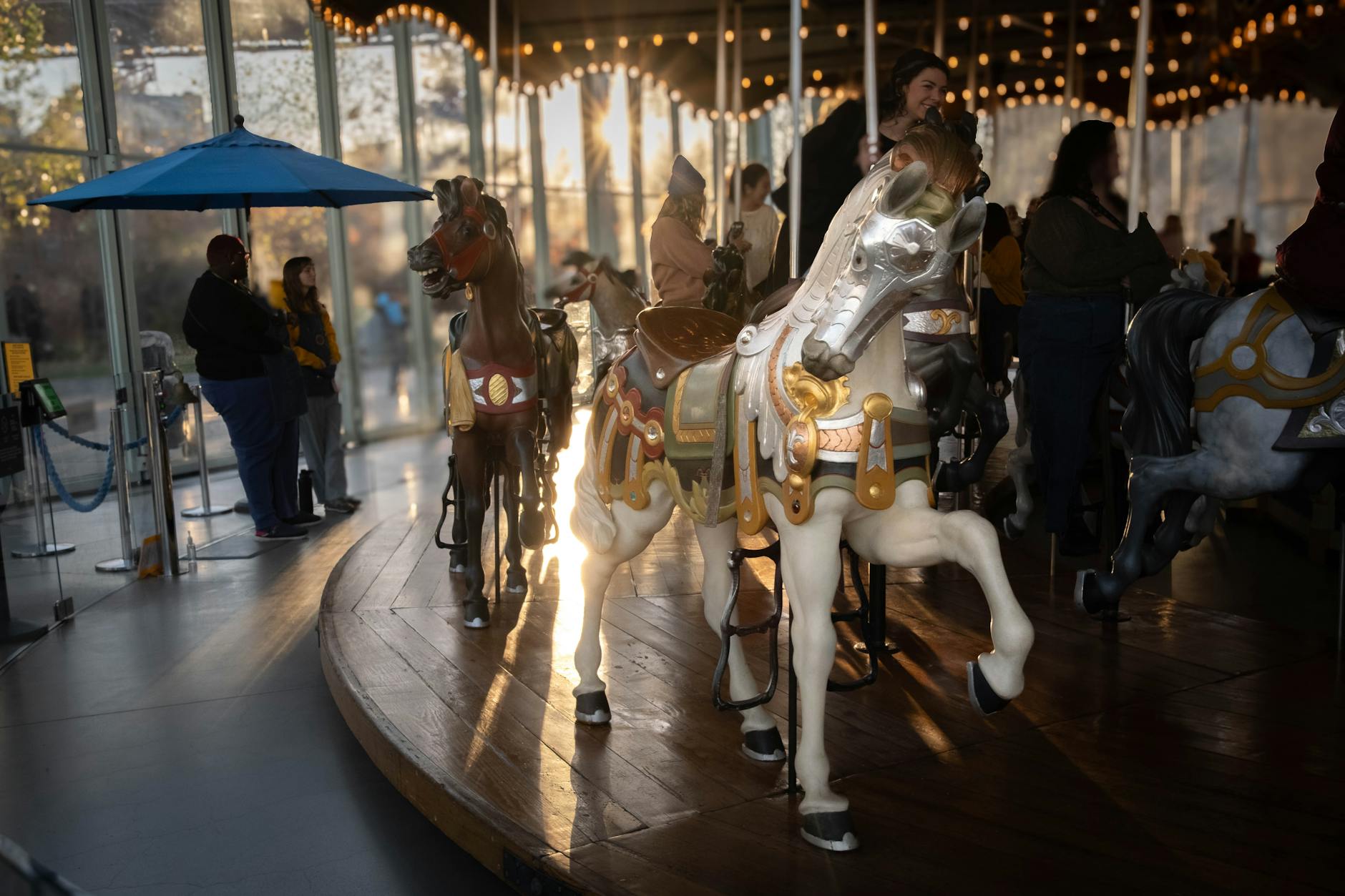
In a stunning revelation, the reopening of a decades-old carousel at the Smithsonian, cherished by children and families, masks a staggering financial burden on taxpayers. The restoration project, which delighted over 5,000 children during its first weekend, cost taxpayers an eye-watering $2.5 million, raising eyebrows about government spending priorities. With federal funds increasingly stretched thin, this extravagant allocation raises urgent questions about where our resources should truly be directed.
The Carousel’s Hidden Price Tag
As American families flock to the newly restored carousel, an alarming statistic emerges: nearly 40% of the carousel’s restoration cost was funded by federal grants, with no clear accountability for spending (Source: Smithsonian Institution, 2026). Each child receiving that magical ride indirectly contributed to a burden that could have been spent on critical infrastructure or educational programs.
Federal Funding Under Scrutiny
According to a recent analysis, federal funding for arts and culture has decreased by over 25% since 2010, yet projects like this carousel continue to receive significant taxpayer dollars. Why does the government prioritize such projects over essential services? Experts warn that this trend not only undermines public trust but also diverts attention from pressing issues such as healthcare and education (Source: National Endowment for the Arts, 2023).
Key Facts:
- The carousel was closed for 10 years for restoration, costing $2.5 million.
- 40% of funding came from federal grants, further straining government budgets.
- Federal funding for arts has decreased by 25% since 2010.
“It’s heartbreaking to see dollars spent on nostalgia while essential services crumble. Americans deserve better.” — Anonymous Policy Analyst
As we celebrate the joy this carousel brings, we must also reflect critically on how our tax dollars are spent. Is this the best use of limited resources?
qivsy Forecast: In the coming years, as federal budgets tighten, similar projects may face greater scrutiny and potential cuts (est. 2027). Share this if you believe Americans deserve the truth.