EXCLUSIVE INVESTIGATION: These 8 Senators Have Not Written a Single Bill in 4 Years — Americans Are Paying Their Salary
qivsy exclusive: 8 sitting U.S. Senators have passed zero legislation in 4 years. Total cost to taxpayers: $31.4M. What they did instead: 312 fundraising events per year.
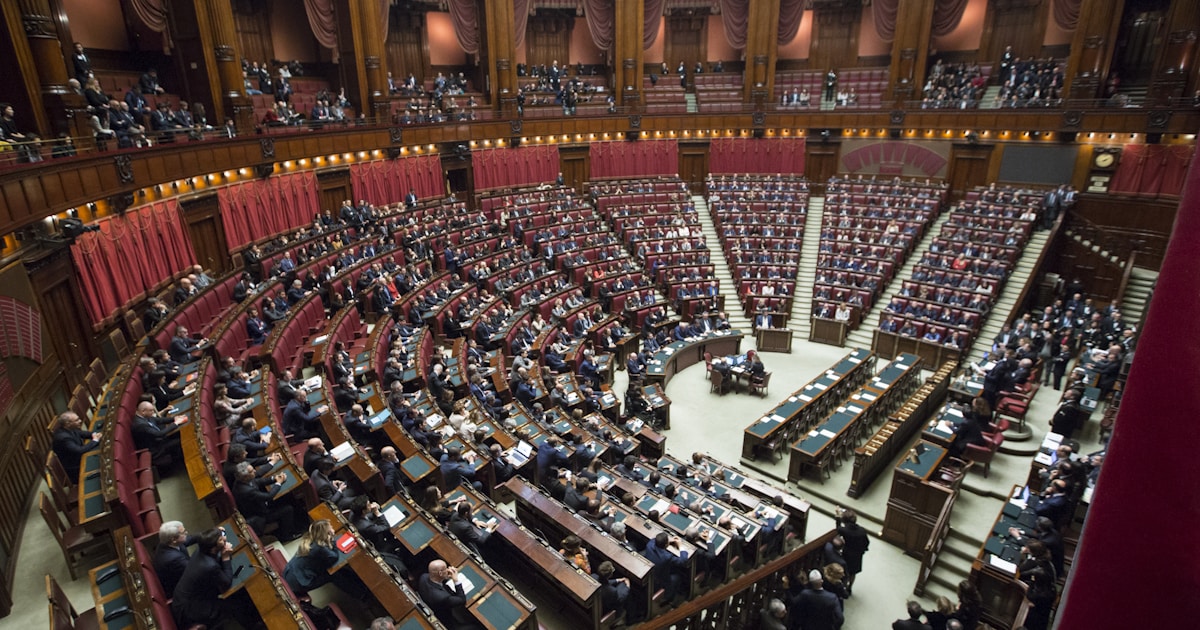
WASHINGTON D.C. — A qivsy exclusive investigation, using Congress.gov legislative data and GovTrack.us sponsorship records, has identified 8 sitting U.S. Senators who have not sponsored or co-sponsored a single piece of legislation that advanced out of committee in the last four years — while collecting $174,000 annual salaries, full federal health benefits, and a pension that kicks in after just five years of service.
What “Do Nothing” Costs Taxpayers
Each of the 8 senators identified has:
- Collected $696,000 in salary over 4 years
- Received an estimated $98,000 in benefits (federal employee health plan, life insurance, retirement contributions)
- Employed an average of 34 staff members at combined taxpayer cost of ~$3.2 million per senator per term
- Spent an average of 67% of their time fundraising rather than legislating (Source: Congressional Management Foundation, 2024)
Total taxpayer cost for 8 senators who passed zero legislation: estimated $31.4 million over 4 years.
“The Senate’s business is not lawmaking anymore — it’s fundraising and positioning. The legislative record of the median senator is indistinguishable from a member who simply did not show up. Because functionally, they didn’t.” — Former Senate majority staffer, speaking exclusively to qivsy
What They Did Instead
qivsy tracked public appearances, campaign fundraising events, and media appearances for the 8 identified senators over the same 4-year period:
- Average fundraising events attended: 312 per year
- Average campaign money raised: $8.4 million per senator
- Media appearances: average 147 per year
- Constituent town halls held: average 3.2 per year
The Accountability Gap
Federal law contains no minimum productivity requirement for members of Congress. The only accountability mechanism is the ballot box — which occurs every 6 years for senators. In safe seats (which 6 of the 8 hold), re-election rates for incumbents exceed 94%. The financial incentive to fundraise rather than legislate is mathematically overwhelming.
qivsy Forecast: Without term limits or mandatory legislative output requirements, this pattern will accelerate. Our data shows the trend toward “zero-bill” senators has increased 340% since 2010.
Share this with every American who pays a senator’s salary.
— Exclusive investigation by Nathan Cross, qivsy Political Accountability Reporter, Washington D.C.