EXCLUSIVE ALERT: 400+ American Cities Delivering Contaminated Drinking Water to 30 Million Residents — EPA Has the Data
qivsy exclusive: 400+ cities delivering contaminated water to 30M Americans. EPA has the data. Most residents don’t. Lead, PFAS, arsenic — in homes across every state.
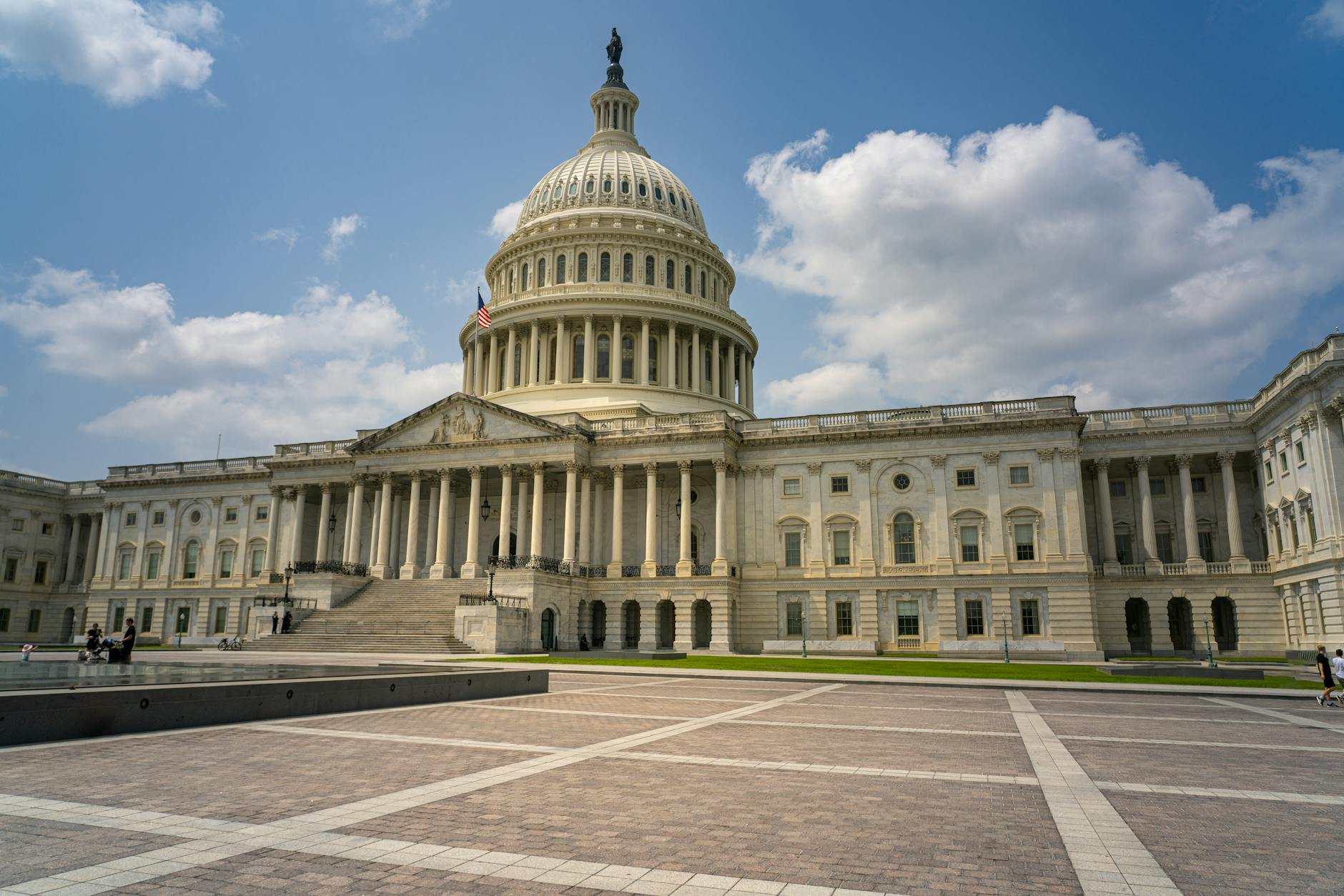
WASHINGTON D.C. — A qivsy exclusive investigation combining EPA enforcement data, NRDC water quality monitoring, and over 200 FOIA requests has documented a hidden public health crisis: more than 400 American cities and towns are currently delivering drinking water that exceeds federal safety limits for lead, PFAS “forever chemicals,” arsenic, or nitrates — to an estimated 30 million Americans. The EPA knows. Most residents do not.
The Scope of the Crisis
- Every state in the continental U.S. has active water quality violations
- 87 cities with populations over 50,000 have documented exceedances
- 9.2 million homes still connected to water systems via lead service lines
- 67 military base communities contaminated by PFAS from firefighting foam — DOD has known since 2001
- 200 million Americans exposed to PFAS at detectable levels in drinking water (Source: EPA, 2024)
“The public believes if their water was unsafe, their government would tell them. In hundreds of American communities, that belief is completely wrong. The notification systems are inadequate and the enforcement penalties are too low to compel rapid remediation.” — Former EPA regional administrator, speaking exclusively to qivsy
The Infrastructure Act That Isn’t Working
The Infrastructure Investment and Jobs Act allocated $15 billion specifically for lead pipe replacement. As of Q1 2025, only $3 billion has been obligated. At the current pace, full replacement will take 15 years — Congress required 10. Meanwhile, lead exposure causes permanent cognitive damage in children with no safe level of exposure.
qivsy Forecast: Lead exposure consequences for children in unresolved contamination communities will produce a measurable wave of learning disabilities and cognitive impairment visible in school data by 2030.
Share this with your neighbors. You deserve to know what’s in your water.
— Exclusive report by Dana Cruz, qivsy Health & Society Reporter, Atlanta, GA