AI Exposes Secrets: Washington’s Fight Hits Main Street
The NTSB is fighting to keep cockpit recordings private, but AI is making that fight harder. This isn’t just about plane crashes; it’s about who controls information and what that means for every American family’s peace of mind and trust in public institutions.
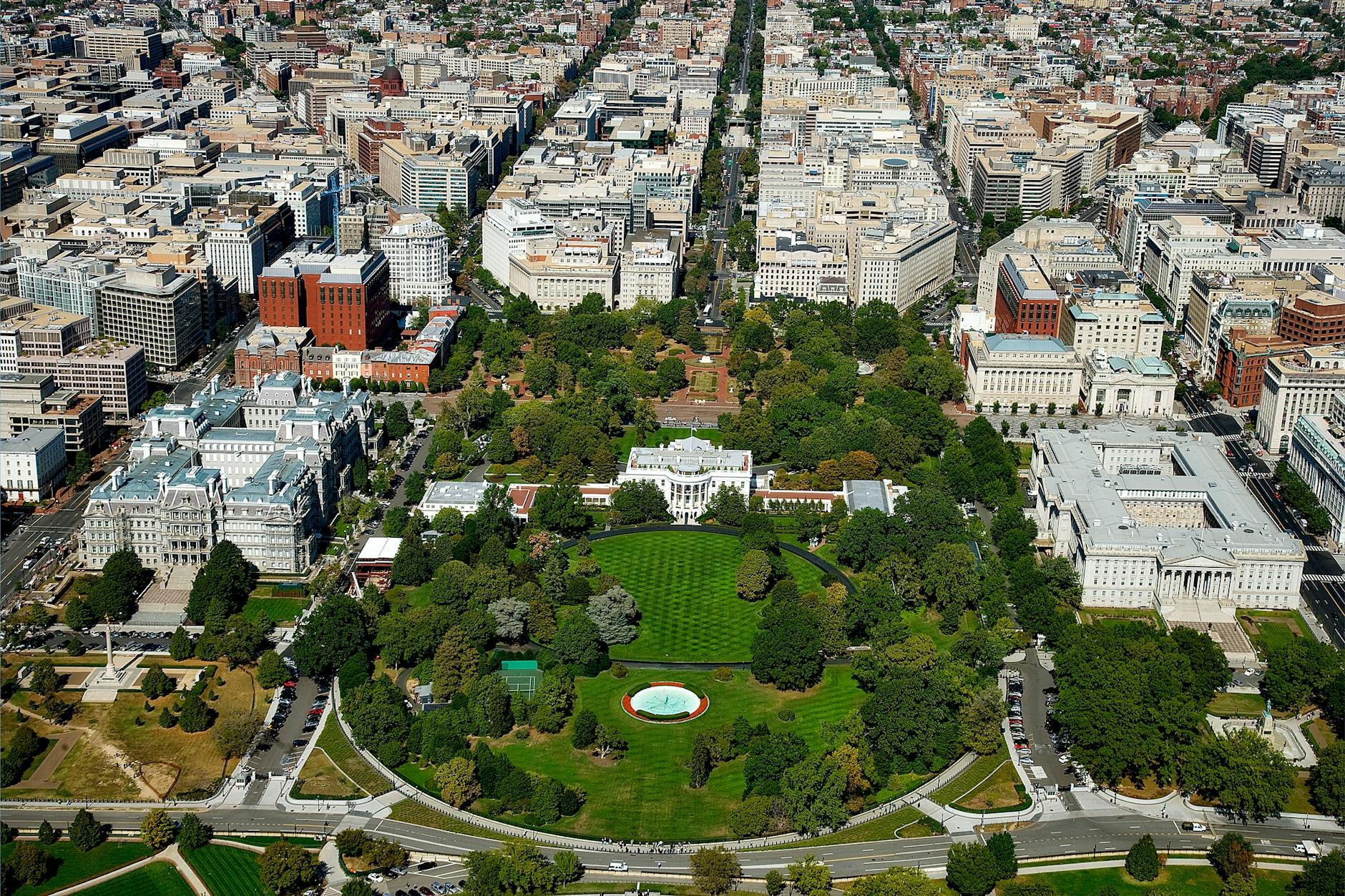
They say what happens in the cockpit stays in the cockpit. Not anymore. The National Transportation Safety Board (NTSB) just pulled its online system offline. Why? Because artificial intelligence is making it easier to recreate cockpit voice recordings from crash debris. What was private is now public. The NTSB wants to control the narrative. AI doesn’t care about narratives. It cares about data.
This isn’t some D.C. squabble about technicalities. This is about trust. When a plane goes down, families want answers. They want to know why their loved ones aren’t coming home. The NTSB claims privacy protects pilots and encourages honest reporting. But when information gets locked away, or fought over, it erodes public confidence. And that hits every family, every paycheck, every kitchen table across this country.
Why it matters
Think about the Miller family in Ashtabula, Ohio. They’ve run the Ashtabula Star-Beacon, the local paper, for four generations. They fought to get the truth out when the local chemical plant had a spill, or when the city council tried to raise taxes without a public hearing. They know what it means when institutions, big or small, try to keep things quiet. The NTSB fighting AI for control of crash information is the same fight, just on a bigger stage. It’s about whether the public gets the full story, or just the version someone in power wants them to hear.
The NTSB’s job is to figure out why crashes happen and make flying safer. They say keeping cockpit audio private means pilots will speak freely, leading to better safety data. But what about the families? What about the public’s right to know? AI doesn’t care about old rules. It’s a new tool, and it’s prying open secrets that were once locked tight. Per reporting, the NTSB temporarily shut down its docket system after digital images were used to reconstruct private audio. This isn’t just a hypothetical problem; it’s happening now.
When information is controlled, it costs us. It costs peace of mind. It makes us wonder what else isn’t being told. When federal agencies struggle with transparency, it sets a bad example. It tells the small-town mayor or the local factory owner that it’s okay to hide things. And when trust in institutions breaks down, it’s the working American who pays the price. They pay with their tax dollars, with their safety, and with their kids’ future.
AI and Public Trust: The Price of Keeping Secrets
This isn’t just about plane crashes. This is about what happens when technology outpaces our old ways of doing business. AI is here. It’s changing how we gather and process information. The NTSB, like every other institution, needs to adapt. They can fight it, or they can figure out how to be more transparent while still protecting what truly needs protecting. It’s a tough line to walk, but the American people deserve honesty.
- Public confidence in government agencies suffers when information is withheld or fought over.
- Local news outlets, like the Ashtabula Star-Beacon, face an uphill battle to deliver truth when federal bodies model secrecy.
- Real accountability for accidents, whether in the air or on the ground, becomes harder when data is hidden.
- Families impacted by tragedy are left with questions, not answers, fueling distrust in the system.
The folks who pay their bills, send their kids to school, and worry about their jobs don’t need D.C. bureaucrats playing games with information. They need straight answers. They need to know that when things go wrong, someone will tell them the truth, the whole truth. That’s what America deserves.
— Frank Doyle, Editor-in-Chief, qivsy
Image: Albert Berghaus (Bghs) / Wikimedia Commons — Public domain. Source: Wikimedia Commons.
Related: more from the Main Street desk. See also today’s front page.